Volatility Patterns in Blockchain Gaming Rewards and Retention Dynamics
Écrit par Jonas Roth · 25/8/2026
Volatility Patterns in Blockchain Gaming Rewards and Retention Dynamics
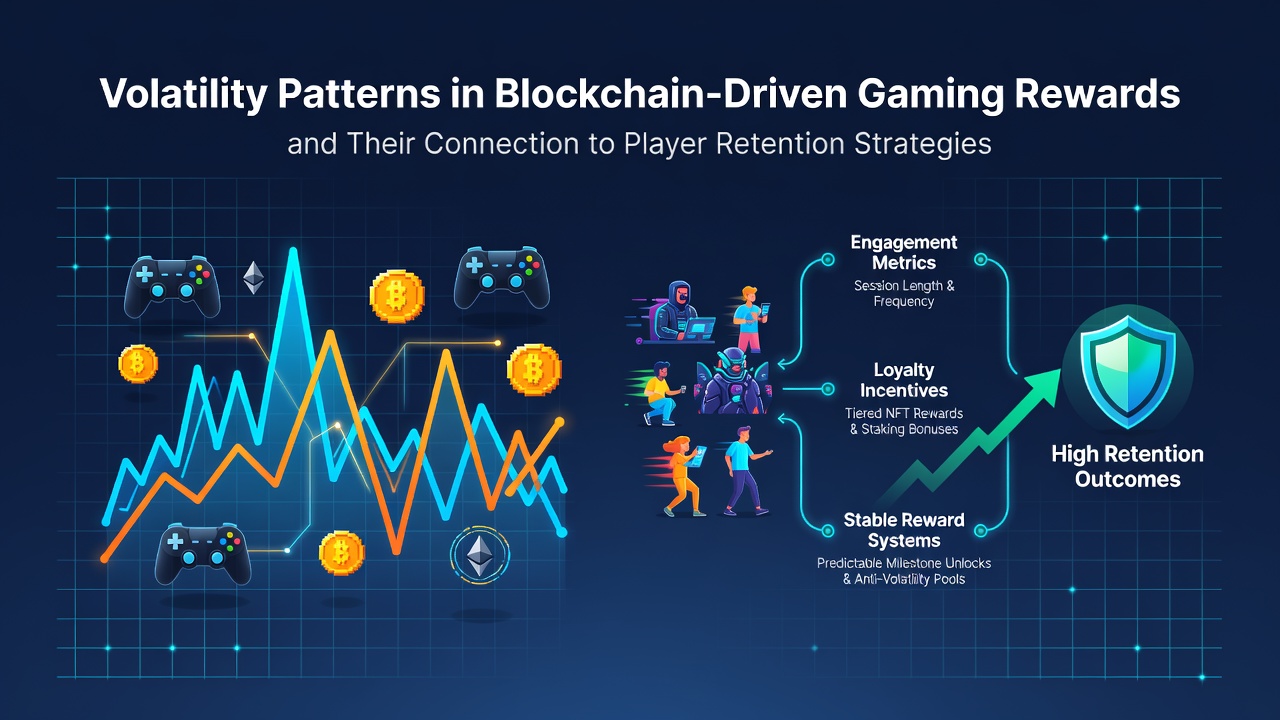
Blockchain gaming rewards operate through token systems that fluctuate with cryptocurrency markets, and researchers track these swings to identify recurring volatility patterns that shape how players stay engaged over months or years. Data from multiple platforms indicates reward values can shift by double-digit percentages within single trading sessions, and this movement often aligns with broader market cycles documented in August 2026 reports.
Core Mechanics Behind Reward Volatility
Tokens earned in play-to-earn titles derive value from supply mechanics, demand signals, and external trading activity, while smart contracts automate distribution without centralized control. Studies show that sudden price spikes increase reward inflows during peak hours, yet rapid drops trigger immediate sell-offs that reduce available liquidity for remaining participants. Observers note these cycles repeat across different game ecosystems because each relies on the same underlying blockchain ledgers for verification and transfer.
Network congestion adds another layer, because transaction fees rise during high-activity periods and erode net reward value even when token prices hold steady. Figures from industry monitoring tools reveal that August 2026 saw average fee spikes coincide with major tournament events, and players adjusted participation rates accordingly to preserve earnings.
Documented Patterns Across Gaming Titles
Seasonal spikes appear when new content drops, because fresh items create temporary demand surges that lift token prices before supply catches up. Longitudinal tracking shows these peaks often last between two and four weeks, after which volatility settles into narrower ranges until the next update cycle begins. Analysts compare data across Asian and North American servers and find similar timing despite regional market differences.
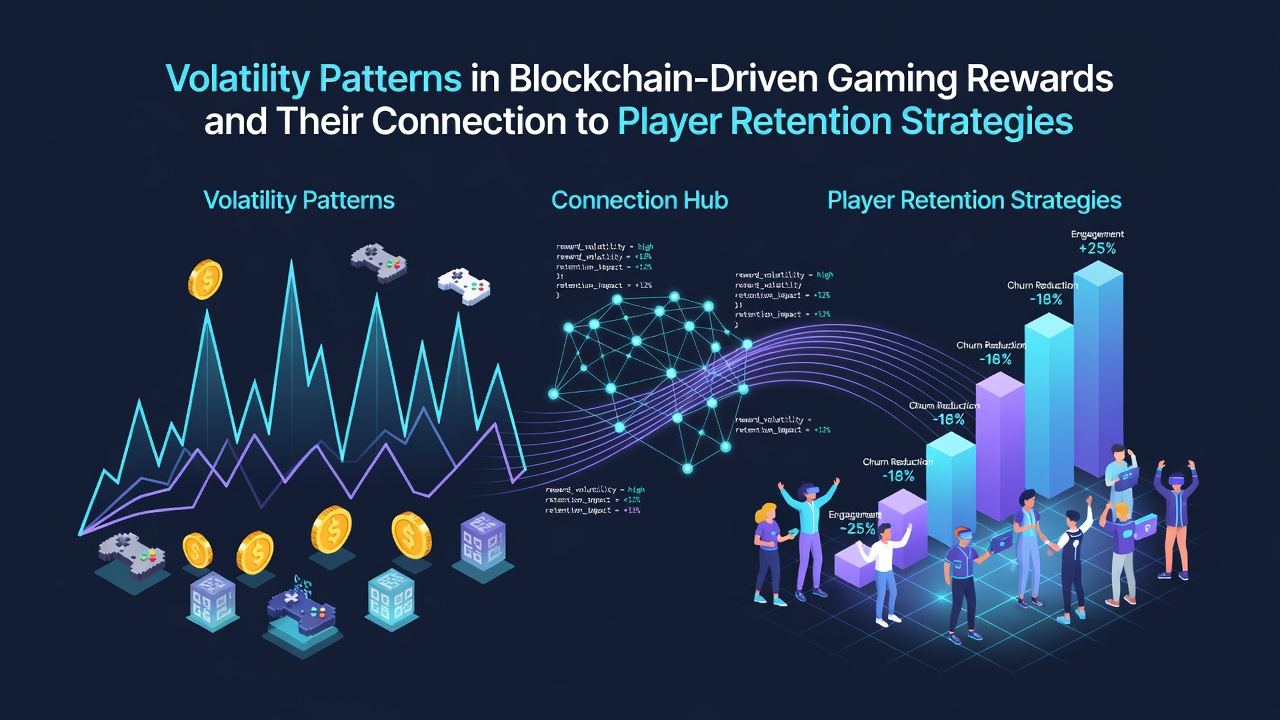
Another pattern involves correlation with external events such as regulatory announcements or exchange listings, because these trigger broader trading volume that spills into gaming tokens. Research indicates that reward volatility tends to double within 48 hours of such news, and retention metrics shift in response as some users exit while others increase playtime to capitalize on movements.
Retention Strategies Built Around These Patterns
Developers implement vesting schedules that lock portions of rewards for fixed periods, and this approach reduces immediate sell pressure during volatile windows. Evidence from deployed systems demonstrates that staggered releases maintain higher average player session lengths compared with instant distribution models. Platforms also introduce hybrid reward pools that blend stable-value assets with volatile tokens, which buffers overall earnings against sharp swings.
Dynamic difficulty adjustments appear in several titles, because algorithms scale challenge levels when token prices drop to keep engagement thresholds consistent. Data collected through August 2026 shows these adjustments correlate with steadier daily active user counts, whereas static systems experience sharper retention drops during downturns. Community governance mechanisms let token holders vote on reward parameters, and participation in these votes tends to rise when volatility alerts circulate through official channels.
Measurement Approaches and Data Sources
Teams rely on on-chain analytics combined with off-chain surveys to quantify how volatility affects return rates, and they segment users by reward size and play frequency. Reports from the Monetary Authority of Singapore highlight standardized metrics that track token velocity alongside retention curves, while separate work from Canadian academic groups examines behavioral responses across multiple titles. These combined datasets allow comparison of retention outcomes under different volatility thresholds.
Cross-platform studies further reveal that players who diversify across several games maintain steadier engagement during market turbulence, because losses in one title can be offset by gains elsewhere. Industry associations compile these findings into quarterly overviews that developers consult when refining retention tools.
Conclusion
Volatility patterns in blockchain gaming rewards follow identifiable cycles tied to market activity, content releases, and external triggers, and retention strategies adapt by incorporating vesting, hybrid pools, and dynamic adjustments. Continued monitoring through established regulatory and academic channels provides the factual basis for evaluating how these elements interact across different regions and title types.