The Influence of Chain-Specific Block Confirmations on Prize Pool Dynamics in Decentralized Gaming
Écrit par Bianca Butler · 2/11/2026
The Influence of Chain-Specific Block Confirmations on Prize Pool Dynamics in Decentralized Gaming
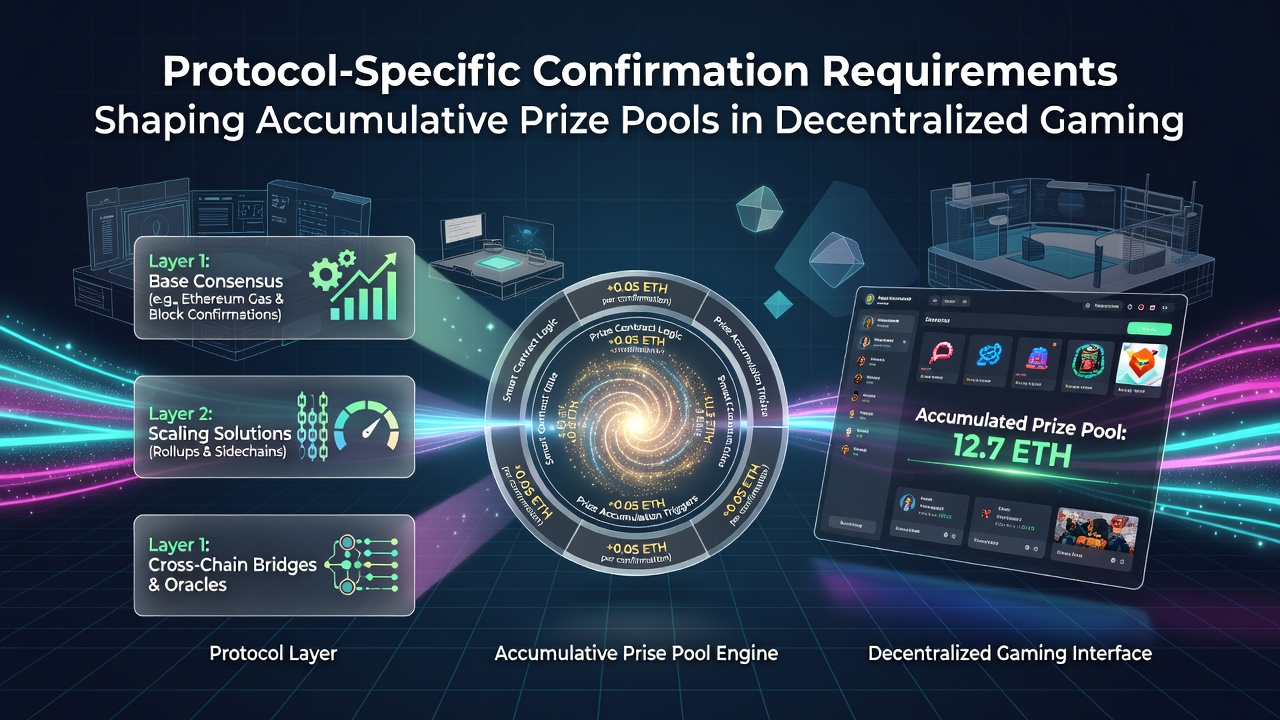
Protocol confirmation requirements vary significantly across blockchain networks and directly affect how accumulative prize pools form in decentralized gaming systems. Different chains impose distinct rules for transaction finality, and those rules determine when contributions from players become part of growing reward funds. Observers note that networks such as Ethereum typically require multiple confirmations before a transaction counts toward a prize pool, whereas faster chains like Solana or Polygon finalize entries with fewer blocks.
Data from network monitoring services shows that confirmation thresholds range from six blocks on certain Bitcoin-based systems to over thirty on high-security Ethereum deployments. These differences create measurable effects on pool accumulation rates because unconfirmed transactions remain vulnerable to chain reorganizations that can reverse contributions. Researchers at academic institutions tracking decentralized applications have documented how pools on slower-confirmation chains experience delayed growth compared with those operating on high-throughput protocols.
Technical Mechanisms Behind Confirmation Thresholds
Smart contracts governing prize pools encode specific confirmation counts as security parameters, and these parameters prevent premature distribution of funds during network instability. When a player deposits cryptocurrency to join a gaming round, the contract waits until the required number of blocks passes before adding that deposit to the visible pool total. This process protects against double-spend attempts and maintains the integrity of accumulative rewards across thousands of participants.
Figures from blockchain analytics platforms reveal that protocols with longer confirmation windows see contribution batches processed in larger intervals, which produces steadier but slower pool expansion. In contrast, networks that reach finality within seconds allow near-instant inclusion of deposits, accelerating visible prize growth during peak activity periods. The same studies indicate that cross-chain bridges introduce additional confirmation layers when assets move between networks, further extending teh time before those assets join a unified prize pool.
Effects on Player Participation and Pool Visibility
Players interact with these systems through wallet interfaces that display pending versus confirmed balances, and the visibility of pending amounts influences engagement patterns. On protocols with extended confirmation periods, participants often observe that their contributions do not immediately reflect in pool totals, which can affect timing decisions for subsequent deposits. Industry reports compiled by gaming technology associations document that faster confirmation environments correlate with higher transaction frequency during promotional events.
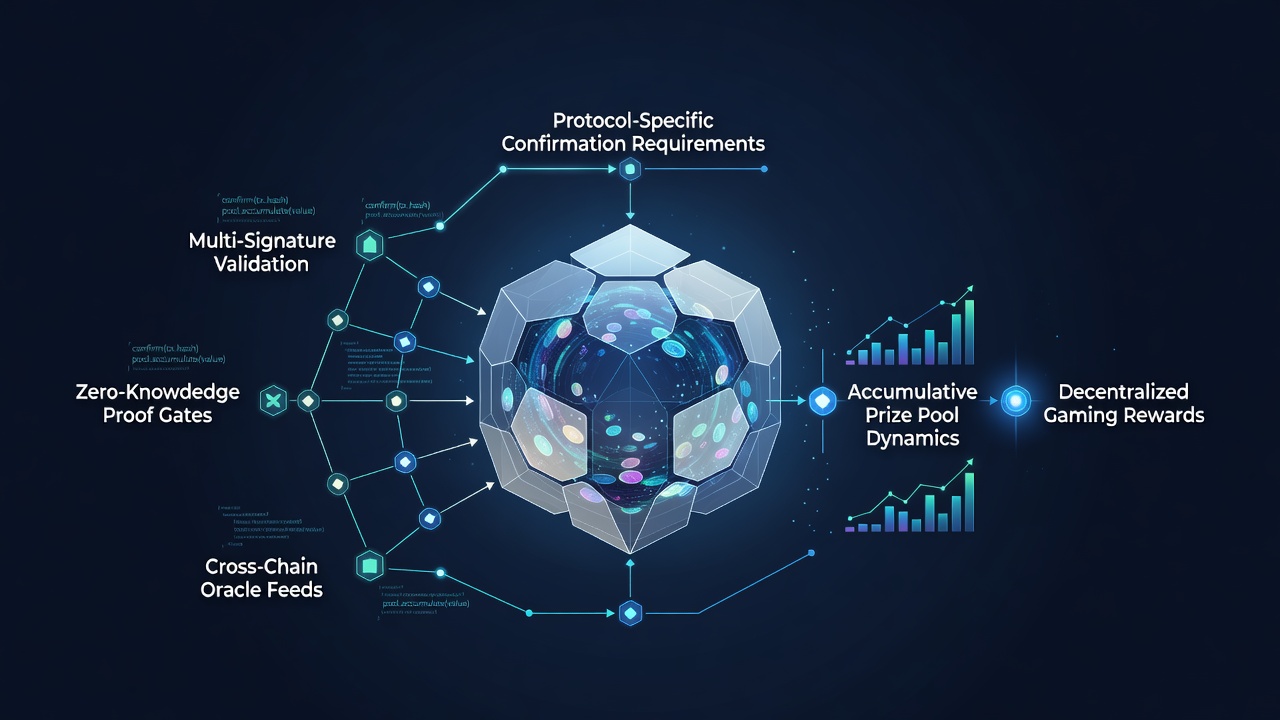
November 2026 data from multiple decentralized gaming platforms indicates that networks adopting adaptive confirmation rules achieved more consistent pool growth throughout fluctuating market conditions. Those platforms adjusted thresholds dynamically based on network congestion metrics, allowing pools to incorporate contributions without compromising security standards. Such adjustments appear in public contract code where developers set minimum and maximum confirmation ranges rather than fixed values.
Cross-Protocol Comparisons and Emerging Standards
Comparative analyses conducted by research groups highlight that Layer-2 solutions built on Ethereum inherit confirmation requirements from both the base layer and the rollup sequencer, creating compound effects on prize pool timing. Some implementations require finality on the Layer-2 before updating pool states, while others accept sequencer confirmations with periodic base-layer settlement. This distinction produces different accumulation curves across otherwise similar gaming applications.
Regulatory bodies in regions including Australia and Canada have begun examining how these technical parameters intersect with consumer protection guidelines for online gaming activities. Reports from the Australian Communications and Media Authority outline expectations around transaction transparency and finality guarantees, encouraging operators to disclose confirmation dependencies to users. Similar guidance appears in documents released by Canadian provincial gaming authorities that emphasize clear communication of network-specific rules.
Future Developments in Confirmation Integration
Developers continue to explore zero-knowledge proofs and optimistic rollups as methods to reduce effective confirmation times without sacrificing security for prize pool calculations. These approaches allow contracts to verify transaction validity through cryptographic means rather than waiting for full block finality, potentially accelerating pool updates across multiple protocols simultaneously. Early implementations have demonstrated reduced latency in test environments while preserving the same security thresholds.
Industry organizations such as the Blockchain Gaming Alliance track these advancements and publish periodic summaries of protocol performance metrics related to reward systems. Their findings show that networks incorporating hybrid confirmation models achieve balanced results between speed and reliability, supporting sustained growth in accumulative prize pools over extended operational periods.
Conclusion
Protocol-specific confirmation requirements continue to shape the structure and growth trajectory of accumulative prize pools in decentralized gaming through their direct influence on transaction finality and fund inclusion timing. Variations across networks produce distinct operational patterns that developers address through configurable smart contract parameters and emerging cryptographic techniques. As platforms integrate new scaling solutions and regulatory frameworks evolve across jurisdictions, the relationship between confirmation standards and pool dynamics remains a central technical consideration for system design and participant experience.