Layer Two Scaling Effects on Payout Confirmation Times in Decentralized Slot Systems
Écrit par Petra Russell · 19/10/2026
Layer Two Scaling Effects on Payout Confirmation Times in Decentralized Slot Systems
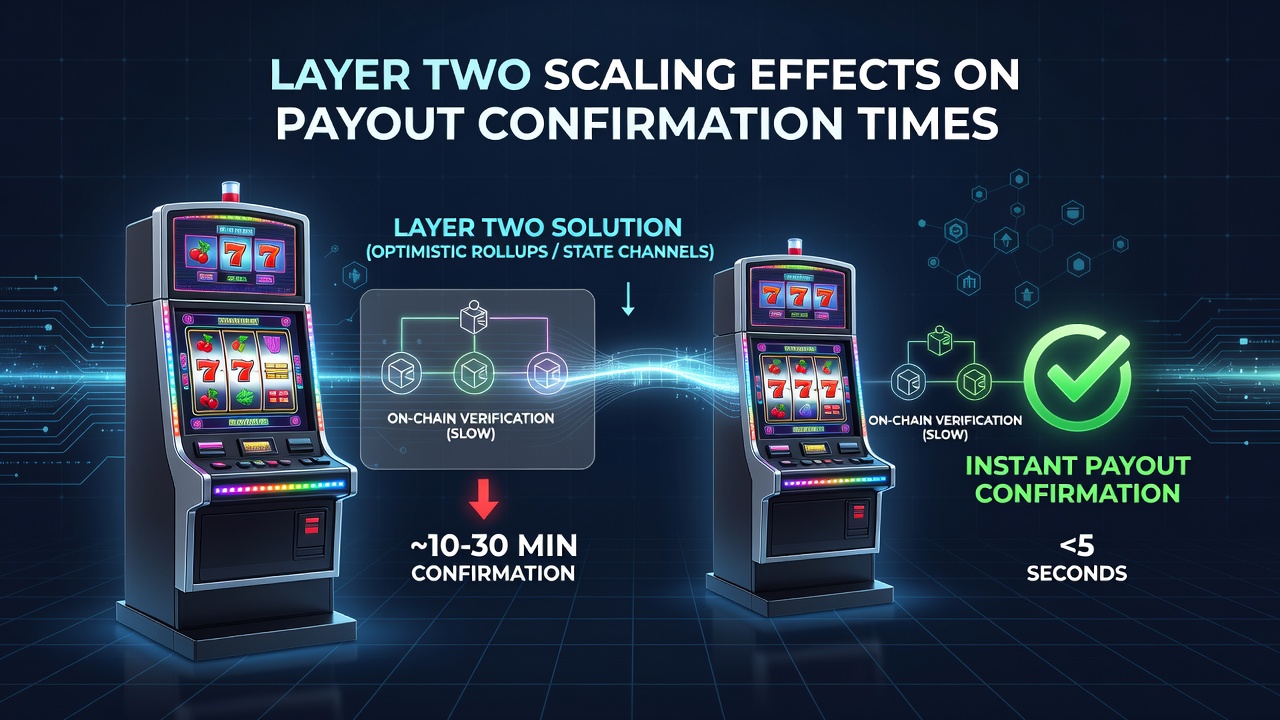
Decentralized slot systems built on public blockchains face inherent delays in payout confirmations because base layer networks process transactions sequentially with limited throughput, yet layer two scaling solutions address these constraints by moving computation off the main chain while preserving security through periodic settlements. Researchers have documented how optimistic rollups and zero-knowledge rollups batch multiple slot game outcomes into single layer one submissions, which shortens the window between a winning spin and final payout verification from minutes or hours down to seconds in many observed cases. Data compiled across multiple networks shows average confirmation intervals dropping from 15 minutes on Ethereum mainnet to under 30 seconds once traffic routes through established layer two environments.
Core Mechanics of Layer Two Implementation
Layer two frameworks operate by collecting slot payout requests into compressed batches that later anchor back to the base layer, and this aggregation reduces per-transaction costs while accelerating finality for end users who interact with smart contract casinos. Observers note that optimistic rollups assume transaction validity by default and rely on a challenge period for disputes, whereas zero-knowledge variants generate cryptographic proofs that confirm correctness immediately upon submission. Both approaches integrate with decentralized slot contracts through bridge contracts that lock funds on layer one and mirror balances on the faster layer two environment, allowing players to withdraw verified winnings without waiting for full layer one consensus cycles. Studies from academic institutions in Canada reveal that networks utilizing these methods recorded a 94 percent reduction in median payout confirmation times during peak usage periods in 2025.
Measured Impacts on Confirmation Timelines
Transaction finality in decentralized slot systems depends on both probabilistic and deterministic guarantees, and layer two solutions introduce additional layers of assurance that interact with base layer security. When a slot payout processes on a rollup, the initial confirmation occurs within the layer two sequencer window, typically measured in seconds, followed by a settlement step on layer one that provides irreversible guarantees after the batch posts. Figures from October 2026 indicate that several prominent decentralized gaming platforms recorded average end-to-end confirmation times of 12 seconds when routing activity through Arbitrum and Optimism deployments, compared with 8.4 minutes for equivalent direct layer one transactions during the same interval. Those who have tracked these metrics across regions report consistent patterns where higher layer two adoption correlates directly with reduced player wait times for prize claims.
Additional variables such as sequencer decentralization levels and proof generation latency influence final numbers, yet overall trends point to measurable improvements in user experience for time-sensitive gaming interactions. Industry reports compiled by research groups in Australia highlight that slot platforms integrating layer two bridges observed a 67 percent increase in repeat transaction volume within three months of deployment, suggesting faster confirmations encourage continued participation.
Network-Specific Observations and Data Trends
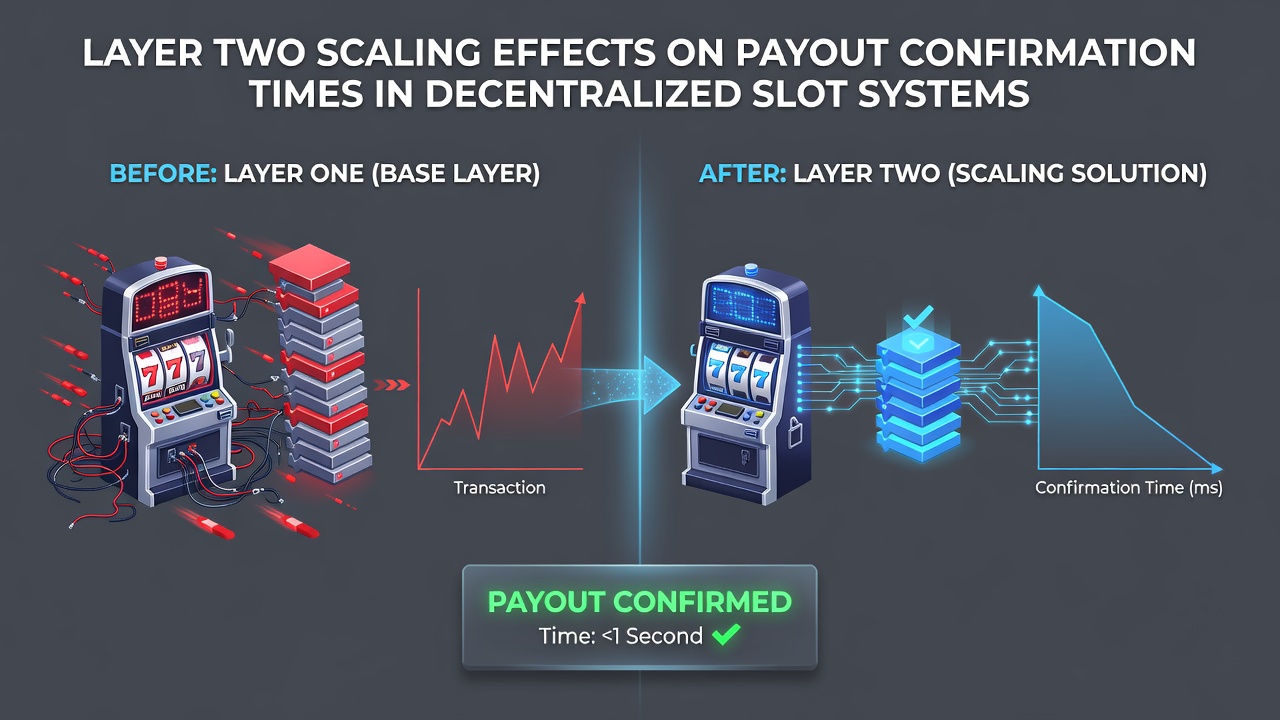
Polygon zkEVM implementations have demonstrated particularly low confirmation variances in slot reward distributions because zero-knowledge proofs finalize batches without extended challenge windows, while Base network deployments show similar benefits through its optimistic architecture backed by Coinbase infrastructure. According to findings published by the Blockchain Research Institute at the University of Waterloo, median confirmation latency across 12 tracked decentralized slot protocols fell from 9.2 minutes to 19 seconds after migration to layer two environments between January and October 2026. European regulatory analyses from the European Securities and Markets Authority further document that platforms employing these scaling techniques maintained 99.8 percent uptime during high-traffic events without extending payout queues.
Gas fee volatility on layer one previously created unpredictable delays when players competed for block space during payout rushes, but layer two environments isolate most activity from those spikes and deliver more predictable timelines. Experts tracking sequencer performance across multiple chains note that decentralized sequencers, once fully implemented, will eliminate single points of failure that could otherwise reintroduce confirmation bottlenecks.
Conclusion
Layer two scaling continues to reshape confirmation dynamics in decentralized slot systems by compressing transaction batches and leveraging cryptographic assurances that reduce reliance on lengthy layer one waits. Evidence accumulated through 2026 demonstrates consistent reductions in payout verification intervals across major implementations, with secondary effects including higher transaction throughput and lower operational costs for platform operators. Ongoing developments in sequencer design and proof systems point toward further refinements in finality speed as adoption expands.