Blockchain Prize Mechanisms: Following Cryptocurrency Flows into Decentralized Gaming Rewards
Écrit par Leon Lang · 22/8/2026
Blockchain Prize Mechanisms: Following Cryptocurrency Flows into Decentralized Gaming Rewards
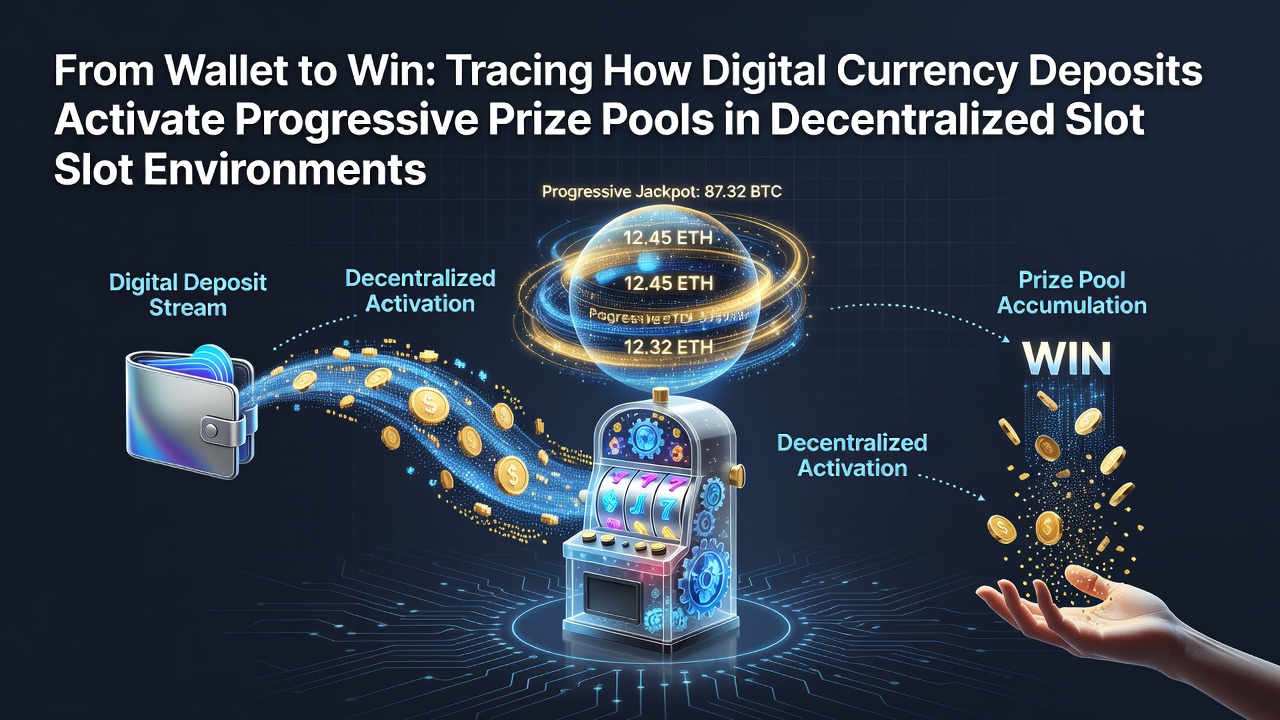
Digital currency movements into decentralized slot platforms follow defined technical pathways that connect individual deposits to shared prize structures, and these pathways rely on smart contract protocols to manage contribution tracking across distributed ledgers. Observers note that each transfer carries metadata specifying allocation percentages, which automated systems then route toward progressive components without requiring centralized intermediaries.
Deposit Initiation and Ledger Verification
Users begin the process by authorizing transfers from personal wallets to platform smart contracts, after which network validators confirm the transaction details including amount, timestamp, and originating address. Data from industry reports show that confirmation times vary by blockchain, with some networks processing entries in under thirty seconds while others require several minutes before funds become available for game interaction. Once verified, the contract executes predefined rules that deduct a portion of each deposit and add it to designated pool balances, creating incremental growth in real time.
Those who have examined transaction logs find that multiple deposits from different addresses can accumulate simultaneously, and the system records every addition as a distinct event tied to the originating wallet. This granular logging supports later audits without exposing user identities beyond their public keys.
Smart Contract Logic Governing Pool Activation
Progressive prize pools activate through coded conditions embedded in the contracts themselves, conditions that trigger increases only after specific contribution thresholds are met. Researchers at academic institutions have documented how these thresholds might require a minimum number of deposits or a cumulative value before the pool begins distributing to winners, and the contracts enforce these rules automatically once the criteria register on the ledger. As of August 2026, several platforms have updated their contract versions to include dynamic adjustment features that scale contribution rates based on overall network activity levels.
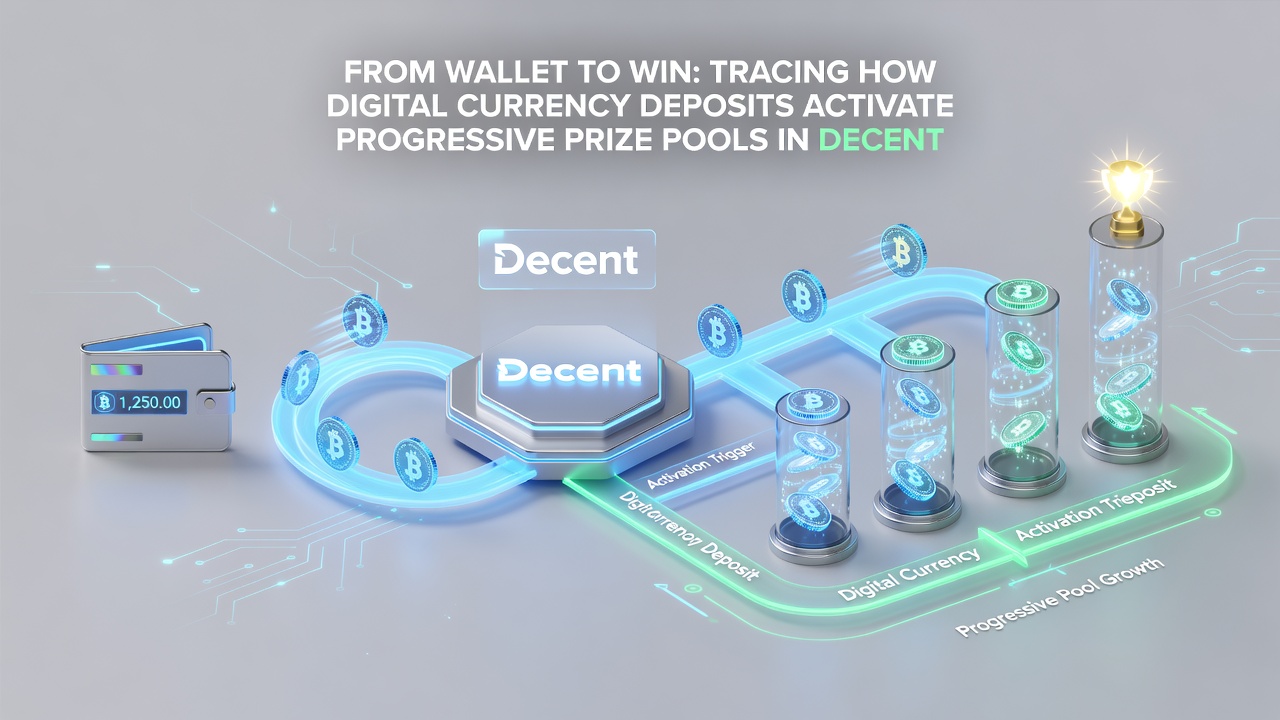
Take one documented case where developers adjusted allocation parameters mid-cycle, and the updated contract immediately began directing larger shares toward the main progressive pool while maintaining separate side pots for secondary rewards. Such modifications demonstrate how the underlying code maintains flexibility while preserving the integrity of prior contributions already recorded on the chain.
Transparency Mechanisms and External Oversight
Public ledgers allow anyone to inspect pool balances and contribution histories directly, a feature that distinguishes these systems from traditional setups where operators control the data. According to a report from the European Gaming and Betting Association, decentralized environments reduce certain information asymmetries because participants can verify pool growth independently rather than relying solely on operator statements. Canadian regulatory analyses similarly highlight how blockchain records provide immutable trails that support compliance checks across jurisdictions.
Yet the same transparency introduces new considerations around timing and visibility, since large deposits become visible immediately upon confirmation and may influence player behavior before the next draw occurs. Industry organizations continue to study these patterns to identify best practices for maintaining fair access.
Distribution Events and Reward Allocation
When a winning condition registers, the smart contract calculates the payout using the current pool total and distributes funds according to programmed percentages that may include the main winner, secondary contributors, and platform fees. Figures from recent network data reveal that distribution events often coincide with high-traffic periods, and the contract processes these transfers in a single atomic operation to prevent partial executions. Observers note that recipients receive assets directly into their connected wallets, completing the cycle that began with the initial deposit.
Additional mechanisms sometimes allocate small percentages to reserve funds that protect against volatility or fund future enhancements, and these reserves remain visible on the same public ledger for ongoing verification.
Conclusion
The movement of digital currency from individual wallets into progressive prize pools within decentralized slot environments operates through layered technical processes that combine wallet authorization, ledger confirmation, and automated contract execution. External sources including the European Gaming and Betting Association and Canadian regulatory analyses provide context on transparency standards, while platform updates as of August 2026 continue to refine allocation logic. These elements together form a traceable system where each deposit contributes measurably to shared outcomes recorded permanently on distributed networks.